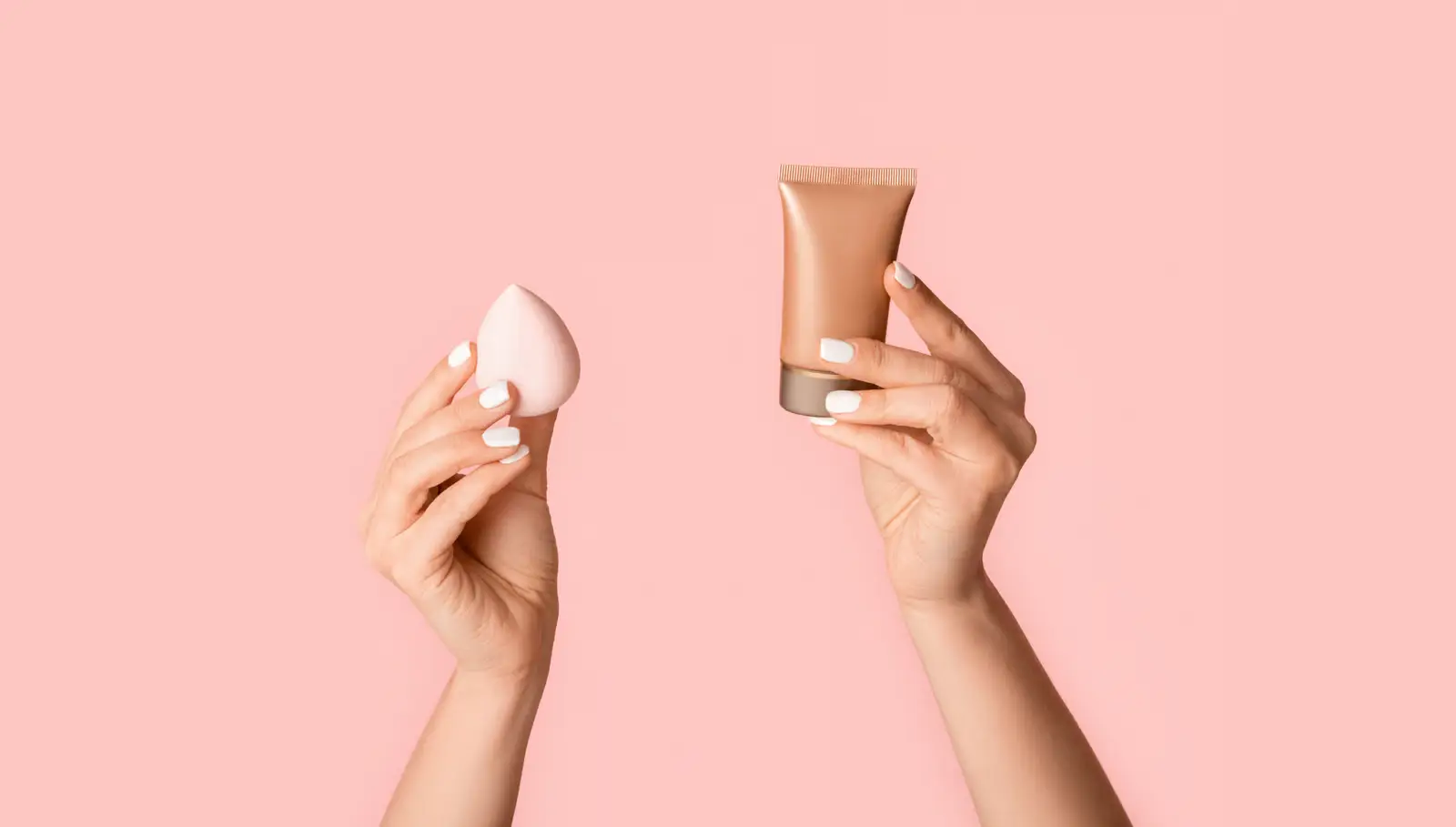
Finding the right foundation can transform your makeup routine. The ideal foundation blends seamlessly with your skin, enhances your natural complexion, and works with — not against — your skin type. Below is a clear, practical guide to help visitors choose, test, and apply foundation for a smooth, natural finish.
What to consider first
- Skin tone vs. undertone: Skin tone is how light or dark your skin is. Undertone is the subtle hue beneath the surface—cool (pink/blue), warm (yellow/golden), or neutral. Match foundation undertone to your skin undertone for the most natural look.
- Skin type: Choose formulas that address your skin’s needs—hydrating for dry skin, mattifying for oily skin, gentle and non-comedogenic for acne-prone skin, and lightweight, luminous formulas for mature skin.
- Desired coverage and finish: Decide how much coverage you want (sheer, medium, full) and the finish (matte, satin, dewy). Lightweight liquids or tinted moisturizers create natural looks; full-coverage foundations conceal discoloration and texture.
How to pick the right formula by skin type
- Dry skin: Look for hydrating, cream or liquid foundations with nourishing ingredients (hyaluronic acid, glycerin). Avoid formulas that settle into fine lines. Dewy or satin finishes help the skin appear plump and luminous.
- Oily skin: Oil-free, mattifying or long-wear foundations help control shine. Powder and oil-control primers can improve longevity.
- Combination skin: Use balancing formulas or apply different products to different zones (lighter coverage on cheeks, mattifying on the T-zone).
- Acne-prone or sensitive skin: Choose non-comedogenic, fragrance-free, and dermatologist-tested options that won’t clog pores or irritate.
- Mature skin: Lightweight, hydrating formulas with light-reflecting particles give a youthful finish without emphasizing texture.
Coverage and finish explained
- Sheer: Light coverage that evens skin tone while letting natural skin show through—great for everyday, fresh looks.
- Medium: Provides more coverage for minor discoloration while still looking natural.
- Full: Hides significant discoloration and imperfections; best for special occasions or photo-ready looks.
- Matte finish: Minimizes shine—good for oily skin or high-heat conditions.
- Satin/neutral finish: Natural, skin-like appearance that suits most skin types.
- Dewy finish: Glowy and luminous—ideal for dry or mature skin, or when a hydrated look is desired.
How to test shades (do this in natural light)
- Test along the jawline and blend down toward the neck. This ensures the face and neck match.
- Try two or three shades close to your guess and compare them in natural daylight.
- Let the foundation sit a few minutes to oxidize (some formulas darken slightly).
- If possible, test with a sample or travel size so you can wear it for several hours before committing.
Prep and application tips
- Start with clean, moisturized skin. A moisturizer appropriate for your skin type helps foundation apply smoothly.
- Use a primer if you want longer wear or to smooth texture/pores. Primer is optional and should be chosen based on skin concerns (hydrating, mattifying, color-correcting).
- Tools:
- Fingers: Great for creams and tinted moisturizers—body heat helps blend.
- Sponge: Gives seamless, skin-like finish—use damp sponge for more natural coverage.
- Brush: Offers precision and buildable coverage—use stippling or flat-top brushes depending on formula.
- Apply in thin layers and build coverage only where needed to avoid a cakey look.
- Blend well at the jawline, hairline, and around the nose.
Color correction and mixing
- Use color correctors sparingly: peach/orange for dark under-eye circles on deeper skin tones, peach/pink for lighter complexions, green for redness.
- If a shade is close but not perfect, mix two shades to customize. You can also mix drops of a lighter or darker foundation or a sheer moisturizer.
Common mistakes to avoid
- Choosing a shade by the underside of your wrist—the jawline is more reliable.
- Applying in poor lighting—always check in natural light.
- Using too much product—apply in thin layers and build only where needed.
- Skipping moisturizer or primer if your skin needs them—texture and longevity suffer without proper prep.
Setting and longevity
- To extend wear: set oily areas lightly with translucent powder; for a long-lasting matte look, focus powder on the T-zone.
- For a fresh finish, use a setting spray to meld makeup into the skin and reduce powdery appearance.
- Reapply or blot as needed through the day—carry a compact or blotting papers for touch-ups.
Quick product shopping checklist
- Know your undertone (cool, warm, neutral).
- Decide desired coverage and finish.
- Choose formulas suited to your skin type.
- Test along the jawline in natural light; wear a sample for a few hours if possible.
- Check ingredient preferences (non-comedogenic, fragrance-free, SPF if desired).
Final tips
- You don’t need a perfect one-size-fits-all foundation. Many people keep two shades for summer and winter or mix for seasonal changes.
- If you’re unsure, ask for samples at the counter or order small sizes to test at home under natural light.
- A well-chosen foundation enhances your complexion subtly—blend, build, and keep the overall look balanced with the rest of your makeup.
If you want, tell me your skin type, undertone, and the coverage/finish you prefer and I’ll suggest how to narrow down product types and application steps for your needs.