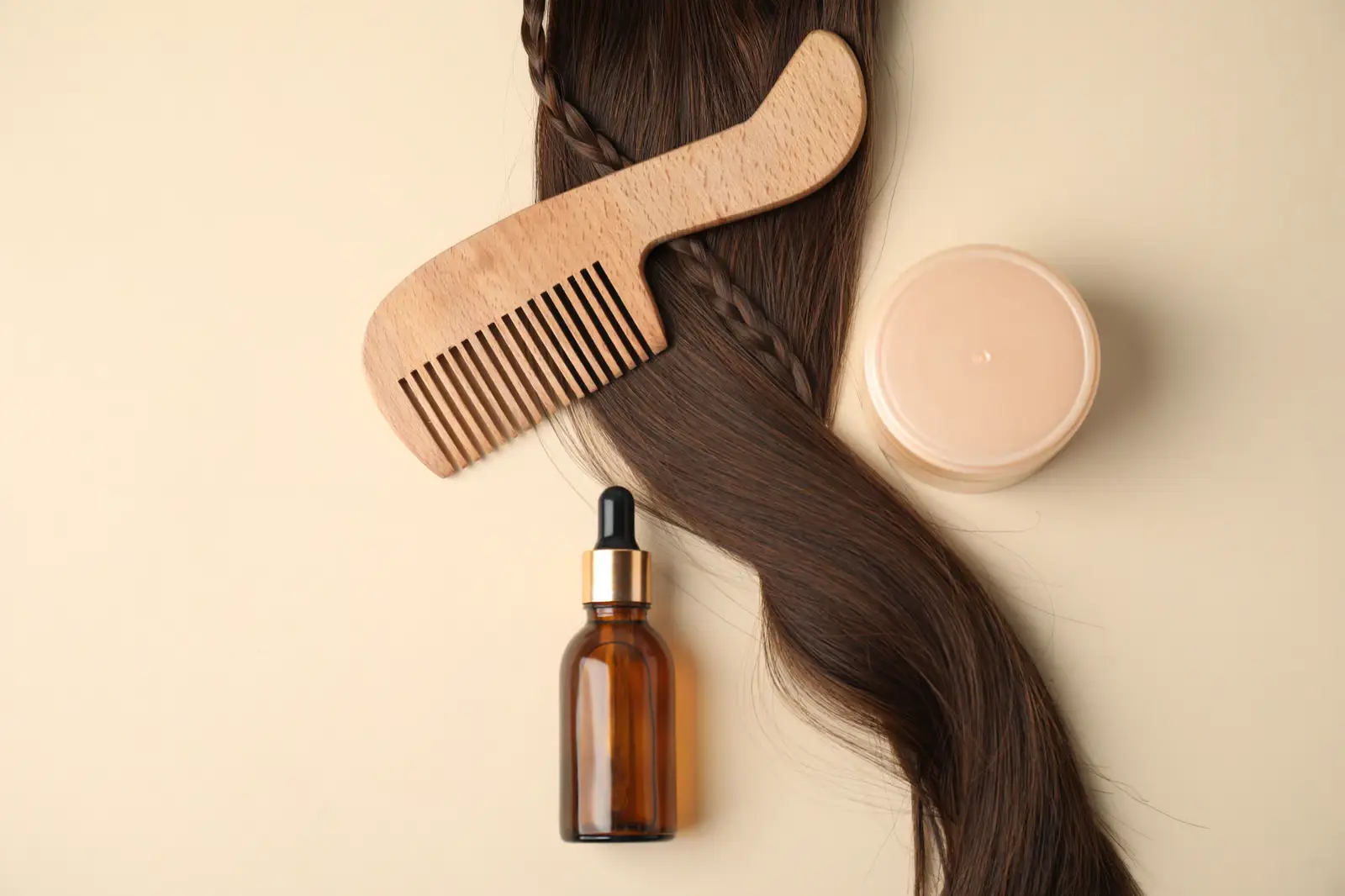
Beautiful, healthy hair starts with consistent care and gentle treatment. Below is an expanded page-ready version you can use to educate customers or visitors about creating a hair-care routine that improves texture, strength, and shine.
Introduction
Healthy hair is the result of the right routine, patience, and choosing products suited to your hair type. With simple habits—gentle cleansing, targeted conditioning, minimal heat damage, and regular maintenance—you can strengthen strands, reduce breakage, and make hair easier to style.
Know your hair type
Understanding your hair’s natural texture, porosity, and needs helps you pick the right products and routine.
- Texture: straight, wavy, curly, coily—each responds differently to moisture and styling.
- Porosity: low (resists moisture), medium (balanced), high (absorbs easily but loses moisture easily). Porosity affects how well treatments penetrate.
- Thickness vs. density: fine strand/thin hair requires lightweight formulas; thick or dense hair benefits from richer hydration.
Everyday routine
- Gentle cleansing: Use a shampoo formulated for your hair concerns (moisture, volume, scalp health). Focus shampoo on the scalp to remove buildup; rinse thoroughly.
- Condition correctly: Apply conditioner primarily to mid-lengths and ends. Leave on for 1–3 minutes (or longer if the product recommends) before rinsing.
- Detangle carefully: Detangle when hair is damp using a wide-tooth comb or detangling brush, starting at the ends and working up to the roots.
- Air-dry when possible: Allow hair to dry naturally or use a microfiber towel/t-shirt to blot excess water—avoid rough rubbing.
Washing frequency and tips
- Tailor frequency to your hair and lifestyle. Oily scalps may need more frequent washes; dry or curly hair often does better with less frequent shampooing.
- Use lukewarm water—hot water can strip natural oils.
- Consider a gentle, sulfate-free shampoo if your hair is color-treated, dry, or sensitive.
Conditioning and deep treatments
- Weekly deep conditioning or hair mask keeps moisture levels balanced and repairs damage.
- Leave-in conditioners and light oils (argan, jojoba, squalane) help seal moisture and reduce frizz—use sparingly on roots.
- For chemically treated or heat-styled hair, incorporate a protein–moisture balance: protein treatments help strengthen, while moisturizing masks rebuild softness.
Protect from heat and styling damage
- Minimize heat styling; when you do use tools, always apply a heat-protectant product first.
- Use the lowest effective heat setting and avoid repeated passes on the same hair section.
- Try heat-free styling methods (braids, buns, rollers) to create texture without damage.
Scalp health matters
- A healthy scalp supports healthy hair growth. Massage your scalp regularly to stimulate circulation.
- Use clarifying treatments occasionally if you use many styling products or notice buildup; do not overuse clarifiers, as they can be drying.
Trims and professional care
- Regular trims every 8–12 weeks remove split ends and keep hair looking fresh.
- Consult a stylist for protein or reconstructing treatments if hair is severely damaged—professionals can recommend salon treatments and ideal spacing.
Lifestyle and nutrition
- A balanced diet, adequate hydration, and good sleep all contribute to hair health.
- Minimize stress where possible; stress can affect hair cycles and shedding.
Quick routines for common hair types
- Fine/oily: Lightweight shampoo, light conditioner at ends, avoid heavy oils at the scalp, weekly clarifying if needed.
- Dry/curly: Sulfate-free shampoo, rich conditioner, weekly deep mask, apply leave-in cream/oil to ends.
- Color-treated: Use products for color protection, avoid hot water, limit frequency of heat styling.
Product-picking tips
- Read ingredient lists: humectants (glycerin) hydrate, emollients (oils, butters) soften, proteins strengthen.
- Patch-test new products if you have a sensitive scalp or allergies.
- Start with a basic routine and introduce one new product at a time so you can evaluate results.
Conclusion
Healthy hair is achievable with a tailored routine: cleanse gently, condition regularly, protect from heat, treat with targeted masks, and keep up with trims. Small, consistent changes deliver stronger, shinier, more manageable hair over time.
If you want, tell me the hair types or products you stock and I can tailor this content further for your page (product suggestions, short FAQs, or a quick routine checklist).